Why Grocery Prices Have Increased Since 2020
If you’ve felt a pinch every time you head to the grocery store, you’re not alone. Since 2020, grocery prices have climbed at one of the fastest rates in decades, reshaping the way families plan meals, shop for essentials, and manage household budgets. But what’s behind this steady increase? Let’s break it down.
If you’ve felt a pinch every time you head to the grocery store, you’re not alone. Since 2020, grocery prices have climbed at one of the fastest rates in decades, reshaping the way families plan meals, shop for essentials, and manage household budgets. But what’s behind this steady increase? Let’s break it down.
The Numbers Behind Rising Grocery Bills
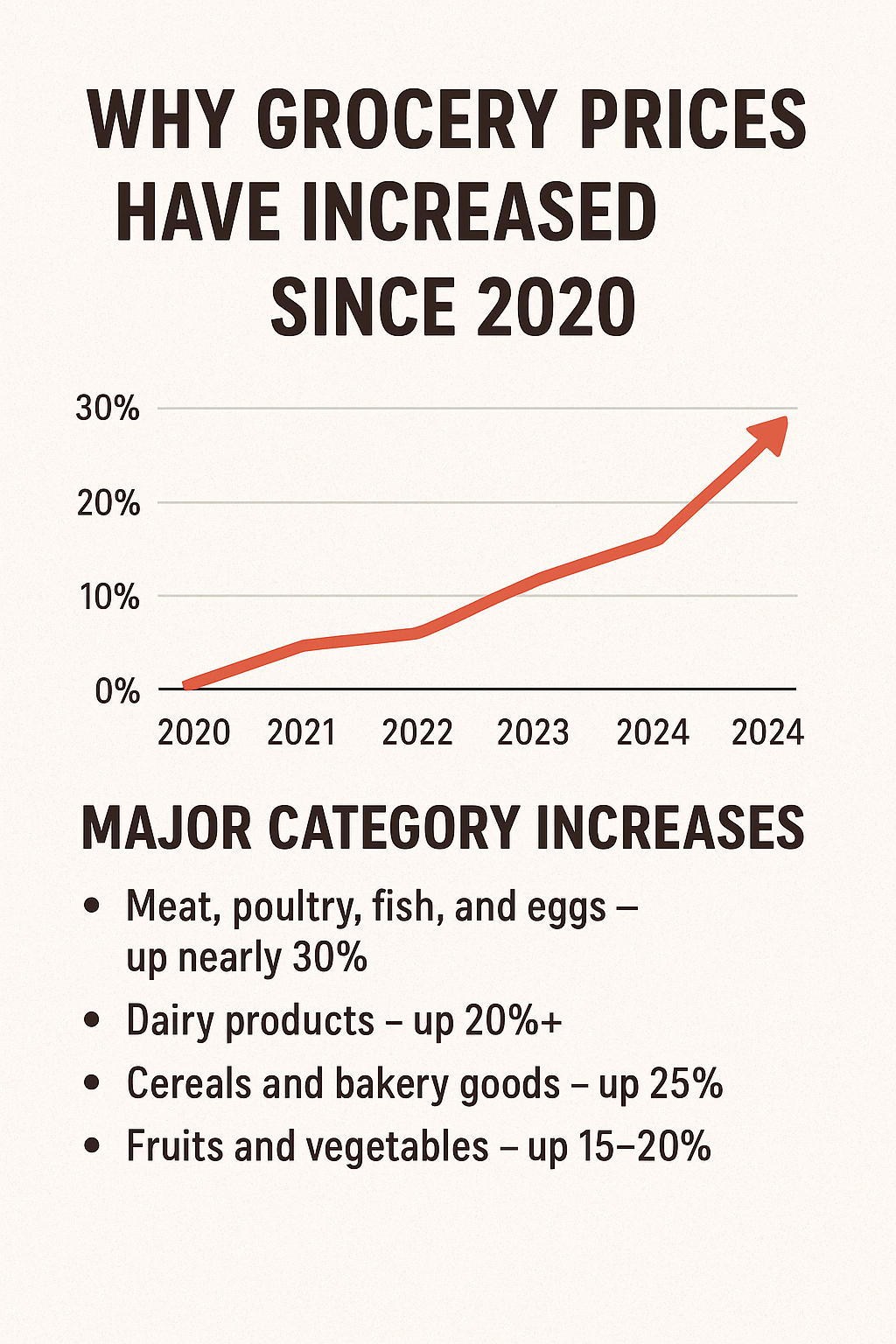
According to the U.S. Department of Agriculture (USDA), food-at-home prices rose nearly 12% in 2022 alone—the largest single-year jump since the early 1980s. From 2020 to 2024, overall grocery costs have increased by more than 25%, outpacing wage growth for many families.
Some categories have been hit especially hard:
-
Meat, poultry, fish, and eggs – up nearly 30% since 2020
-
Dairy products – up 20%+
-
Cereals and bakery goods – up 25%
-
Fruits and vegetables – up 15–20%
These increases mean that what used to cost $100 at the store just a few years ago may now cost closer to $125–$130.
Why Are Prices Rising So Quickly?
Several factors have converged since 2020 to drive up grocery prices:
1. Pandemic Disruptions
COVID-19 caused massive supply chain challenges—from farm labor shortages to transportation delays. Even as the economy reopened, bottlenecks lingered.
2. Global Supply Chain Strain
Ports clogged, trucking delays, and shipping container shortages drove up the cost of moving food across the globe.
3. Fuel and Transportation Costs
Rising fuel prices since 2021 have directly increased the cost of transporting food from farms to processing plants to grocery shelves.
4. Climate and Weather Events
Severe droughts, floods, and storms disrupted crop yields, especially for staples like wheat, corn, and fresh produce.
5. Geopolitical Conflict
The war in Ukraine disrupted global grain and fertilizer supplies, further raising the cost of bread, cereals, and animal feed.
The Impact on Families
The result? Many households are spending a larger share of their income on groceries. For families already balancing tight budgets, this often means:
-
Cutting back on fresh fruits and vegetables
-
Opting for cheaper, less nutritious foods
-
Shopping less frequently and buying in bulk
-
Seeking out food banks or community resources for support
How to Cope with Food Inflation
While you can’t control global supply chains or weather events, you can take steps to stretch your grocery budget:
-
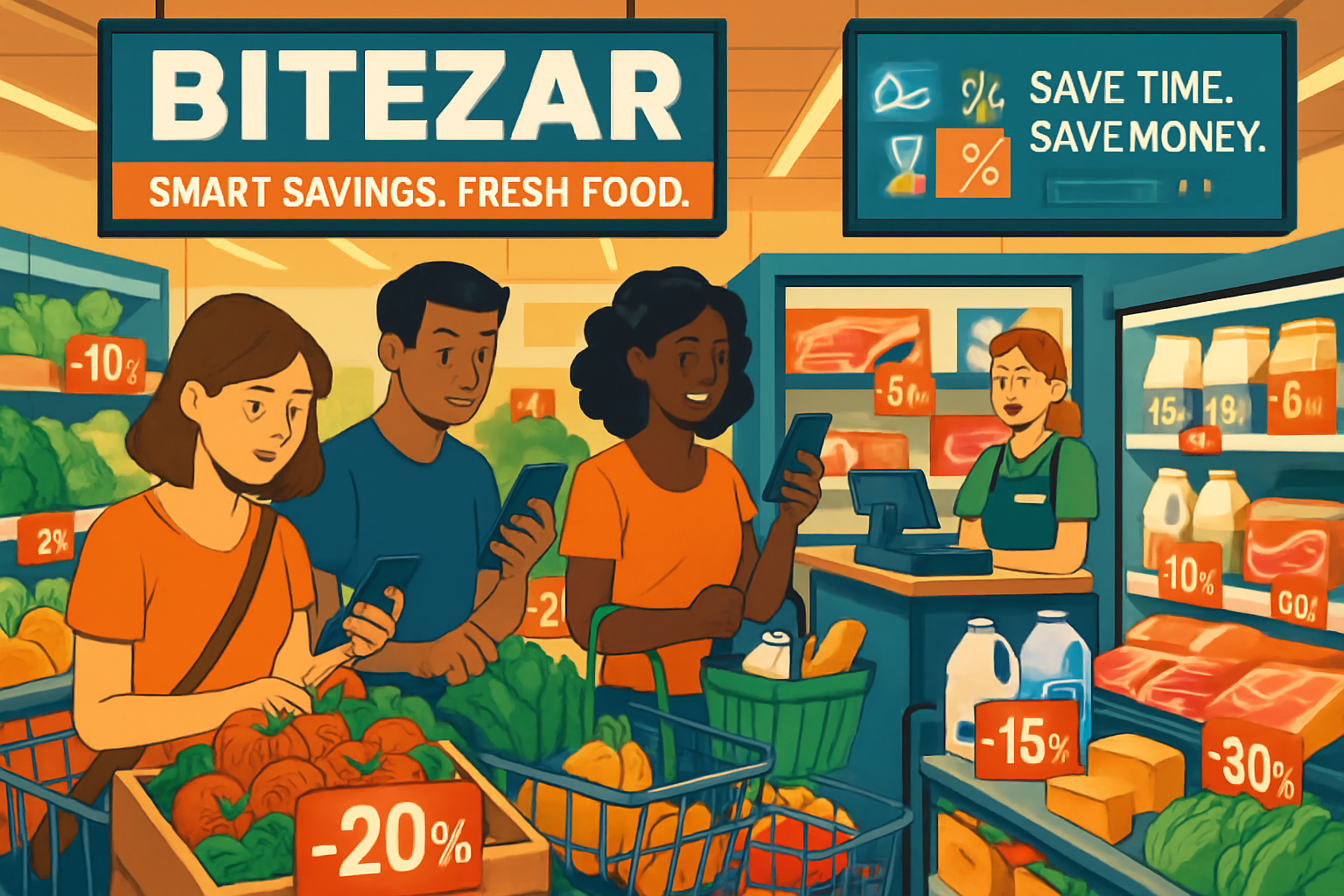
Shop surplus or near-date groceries: Platforms like Bitezar help families save 20%–70% by offering perfectly good items that would otherwise go to waste.
-
Buy seasonal produce: Fruits and vegetables grown locally in season are often more affordable.
-
Meal plan & cook in bulk: Reduces food waste and helps stretch ingredients further.
-
Freeze smart: Preserve perishable items like bread, fruit, and meat before they spoil.
Affordable Choices Are Still Possible
Grocery prices may be higher than ever, but that doesn’t mean affordable, nutritious food is out of reach. By shopping smarter, taking advantage of discounts, and exploring alternative marketplaces, families can still put healthy meals on the table without overspending.
At Bitezar, we’re on a mission to make that possible—helping families fight food inflation while reducing waste and supporting local businesses.
👉 Visit www.bitezar.com or download our app to start saving today.